
Technology · DroneCAN
DroneCAN ESC: the INV-60V-120A inverter on the DroneCAN bus
For flight controllers running ArduPilot or PX4, the inverter speaks DroneCAN: ESC status at 10 Hz, node status at 1 Hz, dynamic node allocation and up to 20 ESC indices per bus. The inverter is configured either for DroneCAN or for PersyCAN, the Persystems protocol for parameterization and firmware updates – and can be switched during operation.
At a glance
| Protocol | DroneCAN (formerly UAVCAN v0) |
| Status messages | esc.Status at 10 Hz, NodeStatus at 1 Hz |
| Addressing | dynamic node ID allocation, up to 20 ESC indices per bus |
| Switchable | PersyCAN for parameterization, telemetry and firmware updates – switching during operation, not simultaneous |
| Fallback | PWM/PPM setpoint, galvanically isolated |
| Power | 6 kW continuous power, 17–60 V, from 108 g, field-oriented control |
DroneCAN
One bus for all drives.
On larger aircraft, DroneCAN replaces the individual PWM lines to the motor controllers with a shared CAN bus. The flight controller sends the setpoints of all motors in one message, every ESC answers with its status, and new nodes get their address assigned automatically. That saves wiring, makes the drives observable and is firmly established in ArduPilot and PX4.
The INV-60V-120A sits on this bus as a DroneCAN node: it accepts the setpoints from the flight controller, reports its ESC status at 10 Hz and its node status at 1 Hz. The node ID is allocated dynamically; up to 20 ESC indices per bus cover even large multicopters.
Why an inverter instead of an ESC
- Field-oriented control with measured phase currents – sinusoidal currents, low torque ripple, precise torque limit
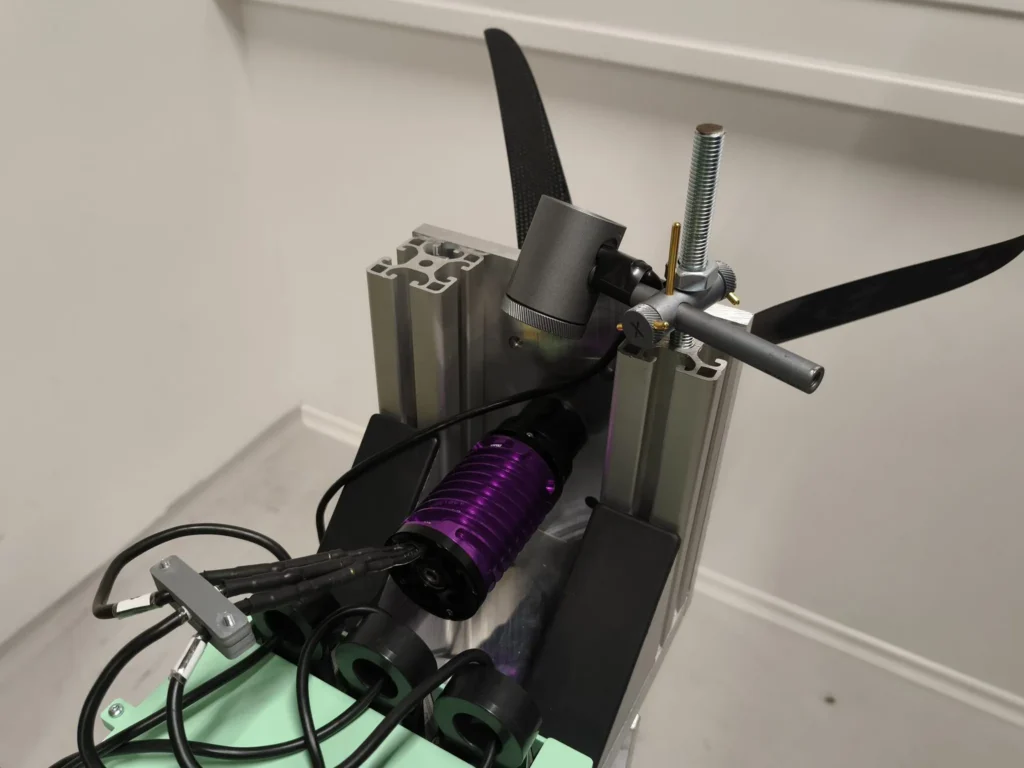
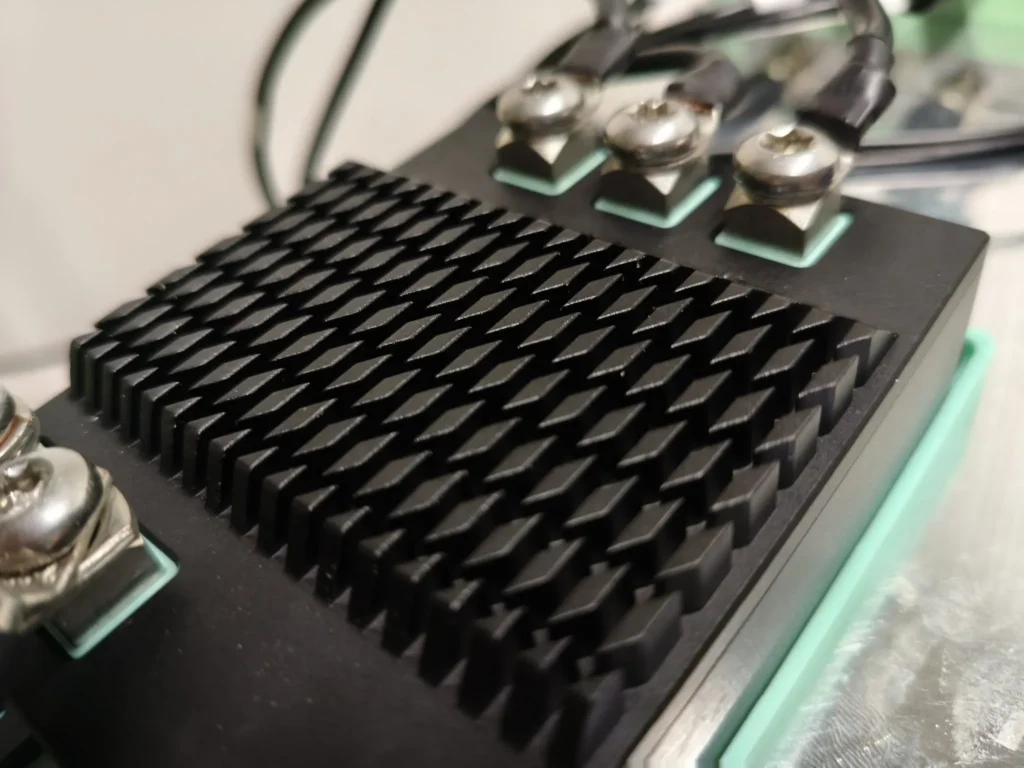
- Continuous power instead of short-term ratings: 6 kW at 337 g in the case or 108 g as Aero variant, air-cooled, with thermal derating logic
- Telemetry that goes beyond the ESC status: Id/Iq, Ud/Uq, MOSFET and motor temperature via PersyCAN
- Protection: overcurrent, short circuit, overtemperature, undervoltage; Safe Torque Off or Active Short Circuit
Frequently asked questions
DroneCAN with Persystems.
What is DroneCAN?
DroneCAN is the open CAN protocol of the ArduPilot and PX4 world (formerly UAVCAN v0). Flight controller, ESCs, sensors and servos exchange standardized messages over it – setpoints, status, parameters – via a shared CAN bus instead of individual PWM lines.
What does the inverter report over DroneCAN?
The ESC status (esc.Status) at 10 Hz and the node status (NodeStatus) at 1 Hz. The node ID is allocated dynamically; up to 20 ESC indices are possible per bus. How the inverter’s fault states are mapped to the DroneCAN health levels is described in the technical documentation at esc.persystems.org.
Can I use PersyCAN and DroneCAN at the same time?
Not at the same time – the inverter is configured either for DroneCAN or for PersyCAN, the Persystems protocol for parameterization, detailed telemetry and firmware updates. Switching is possible during operation, and the PC software reaches the inverter via PersyCAN even when it is configured for DroneCAN. Dynamic address allocation like in DroneCAN is available in PersyCAN as well.
Which aircraft is the inverter intended for?
For multicopters, VTOL and heavy-lift drones with 48 V systems where classic ESCs reach their thermal limit: 6 kW continuous power from 108 grams, field-oriented control, integrated protection functions and full telemetry.
Contact
DroneCAN integration for your aircraft?
Tell us which flight controller, voltage level and motors you use – you will get samples, documentation and an answer straight from the engineering team.